Quality You Can Trust, Results You’ll Love.
EMAIL

arcentalesconstruction@gmail.com

CONTACT US

Phone: (347) 239-9066

BLOG

HOW TO CHOOSE THE RIGHT ROOFING MATERIAL FOR YOUR HOME

Choosing the right roofing material is one of the most important decisions you’ll make when building or renovating your home. The right roof can enhance your home’s aesthetic appeal, improve energy efficiency, and provide long-lasting protection from the elements. But with so many roofing options available, how do you know which one is best for your home?

 
In this guide, we’ll walk you through the key factors to consider when selecting the right roofing material for your home. Whether you’re building a new home or replacing your old roof, this information will help you make a well-informed decision.
 
1. CONSIDER YOUR HOME’S ARCHITECTURE AND AESTHETIC
 
The type of roofing material you choose should complement your home’s architectural style and overall aesthetic. Here’s a breakdown of common roofing materials that work well with different home designs:
 
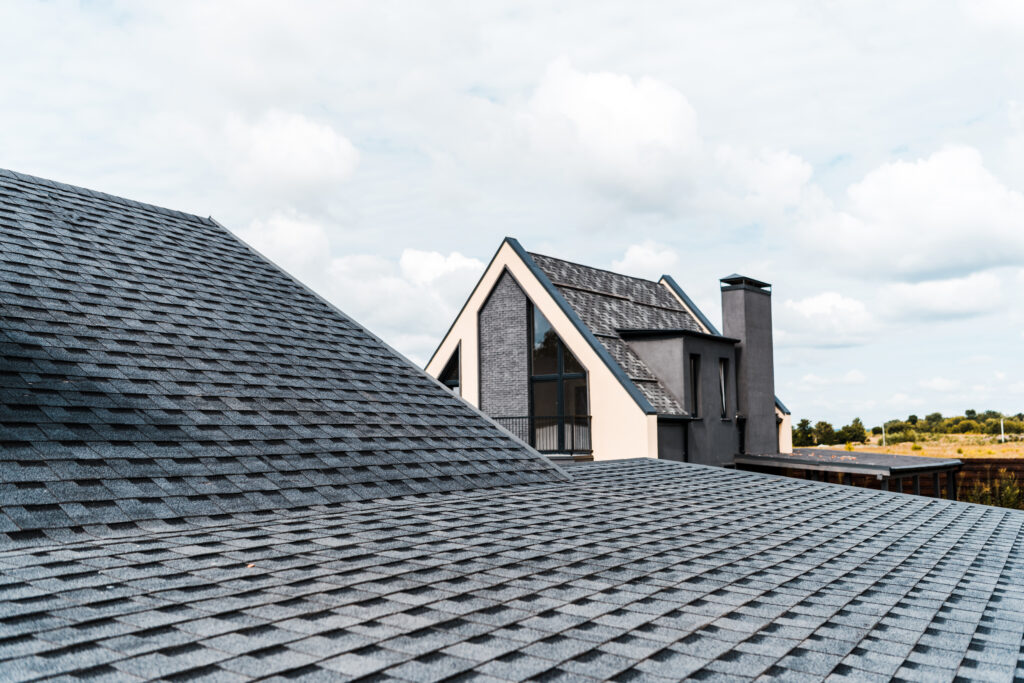
Asphalt Shingles: Ideal for traditional homes, they are versatile and available in various colors to suit your style.
 
Metal Roofing: A great choice for modern, industrial, or rustic homes, offering sleek lines and a contemporary appearance.
 
Wood Shingles or Shakes: Perfect for cottages or homes with a natural, rustic charm, providing a warm, textured look.
 
Tile Roofing: Often used in Mediterranean or Spanish-style homes, offering a unique and eye-catching appearance.
 
By selecting a roofing material that matches your home’s style, you’ll enhance its curb appeal and add value.
 
2. EVALUATE DURABILITY AND LONGEVITY
 
One of the most critical factors in choosing roofing material is its durability and lifespan. After all, your roof is a long-term investment. Here’s a breakdown of common materials and their typical lifespans:
 
Asphalt Shingles: 15 to 30 years (affordable and durable for most climates).
 
Metal Roofing: 40 to 70 years (extremely durable and can withstand harsh weather conditions).
 
Wood Shingles or Shakes: 25 to 30 years (natural, but may require regular maintenance to prevent decay).
 
Clay or Concrete Tile: 50 to 100 years (exceptionally durable and resistant to fire, rot, and pests).
 
Slate: 50 to 100 years (high-end material with incredible longevity and resistance).
 
Choose a material based on how long you want your roof to last and the type of maintenance you’re willing to perform.
 
3. WEATHER RESISTANCE AND CLIMATE CONSIDERATIONS
 
Your local climate plays a significant role in choosing the right roofing material. Different materials offer various benefits depending on the weather conditions in your area:
 
Asphalt Shingles: Works well in moderate climates, but may not perform as well in extreme heat or cold.
 
Metal Roofing: Excellent for areas with extreme weather, including heavy snow, rain, or high winds, as it’s highly resistant to both.
 
Wood Shingles or Shakes: Best suited for areas with milder, more temperate climates since they are susceptible to rot in high humidity or wet conditions.
 
Tile Roofing: A great option for hot climates, particularly in southern or coastal regions, as it reflects heat and helps maintain a cooler interior.
 
Slate: Ideal for a variety of climates, especially in areas prone to extreme weather conditions.
 
Make sure to select a roofing material that can stand up to your region’s weather conditions and offer the protection you need.
 
4. BUDGET AND COST
 
Roofing materials vary significantly in price, so your budget is an essential factor in your decision-making process. Consider both the upfront costs and long-term value:
 
Asphalt Shingles: The most affordable option, typically costing between $100 to $150 per square (100 square feet), making it ideal for budget-conscious homeowners.
 
Metal Roofing: More expensive upfront (around $300 to $700 per square), but offers durability and long-term savings due to its energy efficiency and low maintenance.
 
Wood Shingles or Shakes: Typically costs between $400 to $700 per square, but they can be more expensive to maintain over time due to the need for periodic treatment and sealing.
 
Tile Roofing: One of the most expensive materials, often costing $600 to $800 per square, but offers exceptional longevity and durability.
 
Slate: Premium roofing material with high upfront costs (up to $1,000 per square), but it provides incredible durability and a unique appearance.
 
Choose a roofing material that fits within your budget while considering the long-term savings on maintenance and energy costs.
 
5. ENERGY EFFICIENCY
 
An energy-efficient roof helps reduce heating and cooling costs by improving your home’s insulation. Certain roofing materials reflect heat away from your home, keeping it cooler in the summer and reducing the workload on your HVAC system:
 
Metal Roofing: Known for its energy efficiency due to its reflective properties, which help keep homes cooler in the summer.
 
Cool Roof Shingles: Asphalt shingles with reflective coatings can help reduce cooling costs by reflecting more sunlight.
 
Tile Roofing: Naturally reflective, especially in lighter colors, making it an excellent option for reducing energy consumption.
 
Slate: Highly energy-efficient due to its natural insulation properties, keeping homes cool in the summer and warm in the winter.
 
If energy efficiency is a priority, choose a roofing material that will help you save on heating and cooling costs.
 
6. MAINTENANCE REQUIREMENTS
 
Some roofing materials require more maintenance than others. Here’s what you need to know about upkeep:
 
Asphalt Shingles: Low-maintenance but may need to be replaced every 15 to 30 years, especially in areas with extreme weather.
 
Metal Roofing: Requires minimal maintenance, although it may need occasional cleaning to prevent debris buildup.
 
Wood Shingles or Shakes: Requires more maintenance, such as sealing, cleaning, and treating for pests and rot.
 
Tile Roofing: Very low-maintenance but may require occasional repairs if tiles crack or break.
 
Slate: Extremely low-maintenance with rare need for repair, making it an excellent long-term option.
 
Consider how much time and effort you're willing to invest in roof maintenance when making your choice.

THE BEST SIDING OPTIONS FOR YOUR HOME: DURABILITY & AESTHETICS

When it comes to home exterior upgrades, siding is one of the most important elements to consider. Not only does it enhance the curb appeal of your home, but it also provides crucial protection against the elements. Whether you're building a new home or looking to replace your existing siding, choosing the right material is key to both aesthetics and durability.

 
In this post, we’ll explore some of the best siding options available, comparing their durability, aesthetics, and benefits. With over 25 years of experience, ARCENTALES Construction Corp is here to guide you in selecting the perfect siding that suits both your style and your budget.
 
1. VINYL SIDING: AFFORDABLE & LOW MAINTENANCE
 
Vinyl siding is one of the most popular siding options for homeowners due to its affordability, low maintenance, and durability.
 
Durability: Vinyl siding can last anywhere from 20 to 40 years, depending on the quality of the material and installation. It resists fading, cracking, and warping, making it an excellent choice for homeowners in various climates.
 
Aesthetics: Vinyl siding comes in a wide variety of colors and textures, including smooth, ribbed, or wood-grain finishes. It can mimic the look of natural materials, such as wood or stone, providing a sleek, modern appearance.
 
Benefits: It is resistant to pests, like termites, and is not prone to rot. Additionally, vinyl siding requires little upkeep—just occasional cleaning to maintain its appearance.
 
Best for: Homeowners on a budget who want a low-maintenance, long-lasting siding option.
 
2. FIBER CEMENT SIDING: STRONG & VERSATILE
 
Fiber cement siding is made from a blend of cement, sand, and cellulose fibers, offering a combination of strength, aesthetic appeal, and low maintenance.
 
Durability: Fiber cement siding can last up to 50 years or more with proper care. It is resistant to rot, pests, and fire, making it a great option for homeowners in areas prone to wildfires or extreme weather.
 
Aesthetics: Fiber cement siding mimics the look of wood, stucco, or masonry. It’s available in a wide range of styles, including lap, vertical, and shingle, and can be painted any color you desire.
 
Benefits: It is incredibly durable and can withstand harsh weather conditions, from high winds to heavy rain. It also provides excellent insulation, helping to reduce energy costs.
 
Best for: Homeowners looking for a durable, customizable siding that provides a natural look without the maintenance of wood.
 
3. WOOD SIDING: CLASSIC BEAUTY WITH TIMELESS APPEAL
 
Wood siding is a traditional and elegant option that can give your home a warm, natural look.
 
Durability: Wood siding, when properly maintained, can last 20-40 years. However, it is prone to rot, pests (like termites), and warping if not regularly treated and sealed.
 
Aesthetics: Wood siding is timeless and adds a rich, natural beauty to any home. It can be stained or painted to achieve a wide range of colors and finishes. Whether you choose traditional clapboard, shingles, or board-and-batten, wood provides a rustic or classic appeal.
 
Benefits: Wood is an environmentally friendly option since it is a renewable resource. It also offers good insulation properties, helping to regulate your home’s temperature.
 
Best for: Homeowners who love the natural aesthetic of wood and are willing to invest in the ongoing maintenance to protect its beauty.
 
4. METAL SIDING: MODERN, DURABLE, & ECO-FRIENDLY
 
Metal siding, including aluminum and steel, is a sleek and durable option for contemporary homes.
 
Durability: Metal siding can last 40-70 years, depending on the material. It is resistant to fire, pests, and rot. Steel siding, in particular, is incredibly strong and can withstand extreme weather conditions, including high winds and hail.
 
Aesthetics: Metal siding offers a clean, modern look. It’s available in a variety of colors and finishes, including matte, gloss, and textured surfaces, and can be made to resemble other materials like wood.
 
Benefits: Metal siding is low-maintenance, energy-efficient, and highly durable. It reflects heat, helping to reduce energy costs in hot climates. It is also 100% recyclable, making it an eco-friendly option.
 
Best for: Homeowners looking for a modern, low-maintenance siding that is highly durable and energy-efficient.
 
5. BRICK AND STONE VENEER: TIMELESS ELEGANCE
 
Brick and stone veneer are popular options that combine beauty and durability. These materials are ideal for homeowners looking to achieve a luxurious, classic look.
 
Durability: Brick and stone veneer can last over 50 years and are resistant to rot, pests, and extreme weather conditions. While the veneer itself is durable, the underlying material may require periodic maintenance.
 
Aesthetics: Both brick and stone veneer offer an elegant, timeless appeal. They provide a rich, textured look that can suit a variety of architectural styles, from traditional to contemporary.
 
Benefits: Stone and brick veneer offer superior insulation properties, helping to regulate your home’s temperature. Additionally, they require minimal maintenance, as they don’t need painting or sealing like wood siding.
 
Best for: Homeowners looking for a luxurious, low-maintenance option with timeless appeal.
 
6. ENGINEERED WOOD SIDING: AFFORDABLE WOOD LOOK
 
Engineered wood siding, such as LP SmartSide, is a man-made material that combines the aesthetic appeal of wood with added durability and reduced maintenance.
 
Durability: Engineered wood is designed to last 30-50 years. It is treated to resist termites, moisture, and rot, making it a durable alternative to traditional wood.
 
Aesthetics: It offers the same natural look as wood but with a more affordable price point. It can be painted or stained in a variety of colors and textures to match your home’s aesthetic.
 
Benefits: Engineered wood is lightweight, easy to install, and highly durable. It also has a lower carbon footprint compared to other materials, making it an environmentally friendly choice.
 
Best for: Homeowners who want the beauty of wood without the high maintenance or cost.
WHY GUTTER MAINTENANCE IS CRUCIAL FOR YOUR HOME’S HEALTH

When it comes to home maintenance, gutters are often overlooked. However, they play a crucial role in protecting your home from water damage. Gutters are designed to channel rainwater away from your roof, walls, and foundation, preventing costly damage. Neglecting gutter maintenance can lead to a variety of issues that can compromise the structural integrity of your home.

In this post, we’ll explore why regular gutter maintenance is essential for your home’s health and how it can save you money in the long run.
 
1. PREVENTS WATER DAMAGE TO YOUR ROOF AND FOUNDATION
 
Gutters are specifically designed to direct water away from the roof and foundation of your home. When gutters are clogged with debris—like leaves, twigs, and dirt—they can’t do their job properly. This can result in water overflowing and pooling around your roof and foundation.
 
Why It Happens: When gutters are clogged, water can’t flow freely, causing it to back up onto the roof. This can lead to roof leaks, wood rot, and even mold growth. Water that overflows the gutters can also seep into your foundation, causing cracks, water damage, and even flooding in your basement.
 
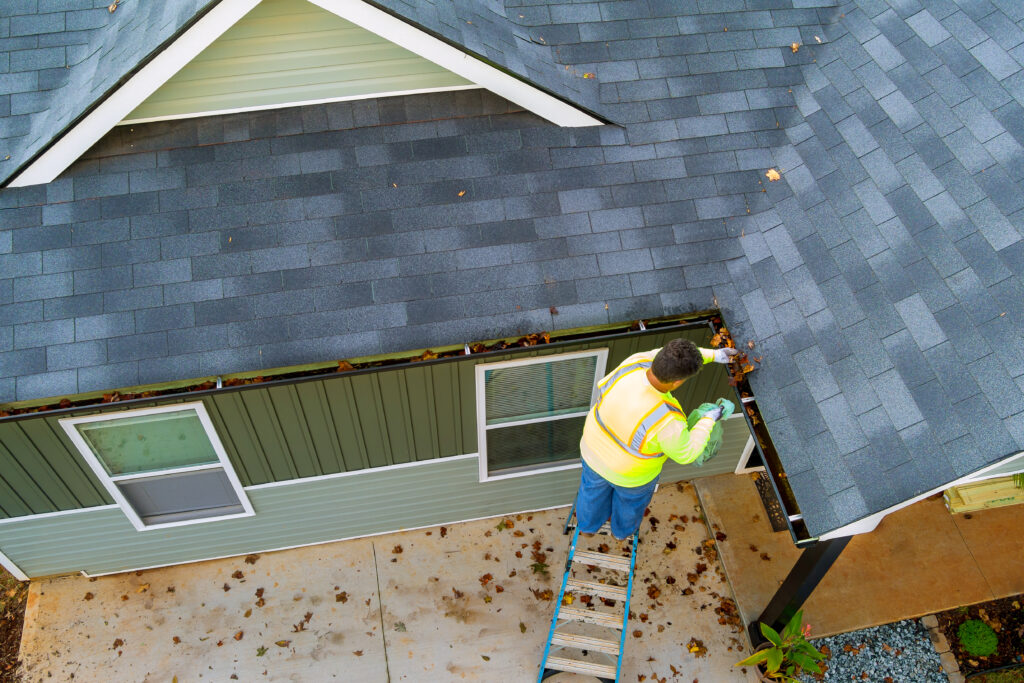
What to Do: Cleaning your gutters regularly ensures that they remain clear and functional, preventing water from collecting in unwanted areas.
 
Tip: Consider scheduling gutter cleaning in the fall, when leaves tend to accumulate, and again in the spring to remove any debris from winter.
 
2. PROTECTS YOUR HOME’S EXTERIOR AND SIDING
 
When gutters overflow, the excess water can cascade down your home’s exterior, damaging the siding, paint, and landscaping.
 
Why It Happens: Overflowing gutters can cause water to run down the walls of your home, leading to discoloration, rotting, and peeling paint. This constant exposure to moisture can also create an ideal environment for mold and mildew to grow.
 
What to Do: Regular gutter maintenance will help keep water from spilling over the edges, preventing damage to your home’s exterior and preserving your siding and paint.
 
Tip: If you notice peeling paint or mold stains near your gutters, it may be a sign that water is not being properly diverted away from your walls.
 
3. REDUCES THE RISK OF BASEMENT FLOODING
 
One of the most significant issues caused by clogged gutters is basement flooding. When gutters are blocked, water overflows and can pool around the base of your home. Over time, this can result in water seeping into your basement, leading to flooding and water damage.
 
Why It Happens: Water that doesn’t drain properly can seep through cracks in your foundation or around windows and doors, leading to flooding and damage to flooring, drywall, and belongings.
 
What to Do: Regularly cleaning your gutters will ensure that rainwater is properly directed away from your home’s foundation, reducing the risk of flooding in the basement.
 
Tip: Install downspout extensions to direct water further away from your foundation, providing extra protection against basement flooding.
 
4. PREVENTS PESTS AND INSECTS FROM NESTING
 
Clogged gutters can provide a perfect nesting spot for pests and insects, such as mosquitoes, birds, and rodents. When leaves and debris accumulate in the gutters, they create a damp, dark environment that attracts these unwanted guests.
 
Why It Happens: Standing water in gutters is a breeding ground for mosquitoes, while rotting debris can attract insects, birds, and even small animals looking for shelter.
 
What to Do: Keeping your gutters clean will not only prevent water damage but also discourage pests from nesting in your gutters and your home.
 
Tip: Consider installing gutter guards to help keep debris out and reduce the frequency of cleaning.
 
5. EXTENDS THE LIFESPAN OF YOUR ROOF
 
Your roof and gutters work together to protect your home. If your gutters aren’t properly maintained, it can impact the overall health of your roof.
 
Why It Happens: Clogged gutters can cause water to back up onto the roof, leading to issues like roof leaks, ice dams, and even roof rot. The added weight of debris can also cause gutters to pull away from the roofline, leading to additional damage.
 
What to Do: Regular gutter maintenance ensures that water flows freely away from the roof, reducing the likelihood of damage and extending the lifespan of your roofing materials.
 
Tip: Check your gutters after a storm to ensure that they haven’t been clogged by debris or damaged by heavy rainfall.